 Saferoamer
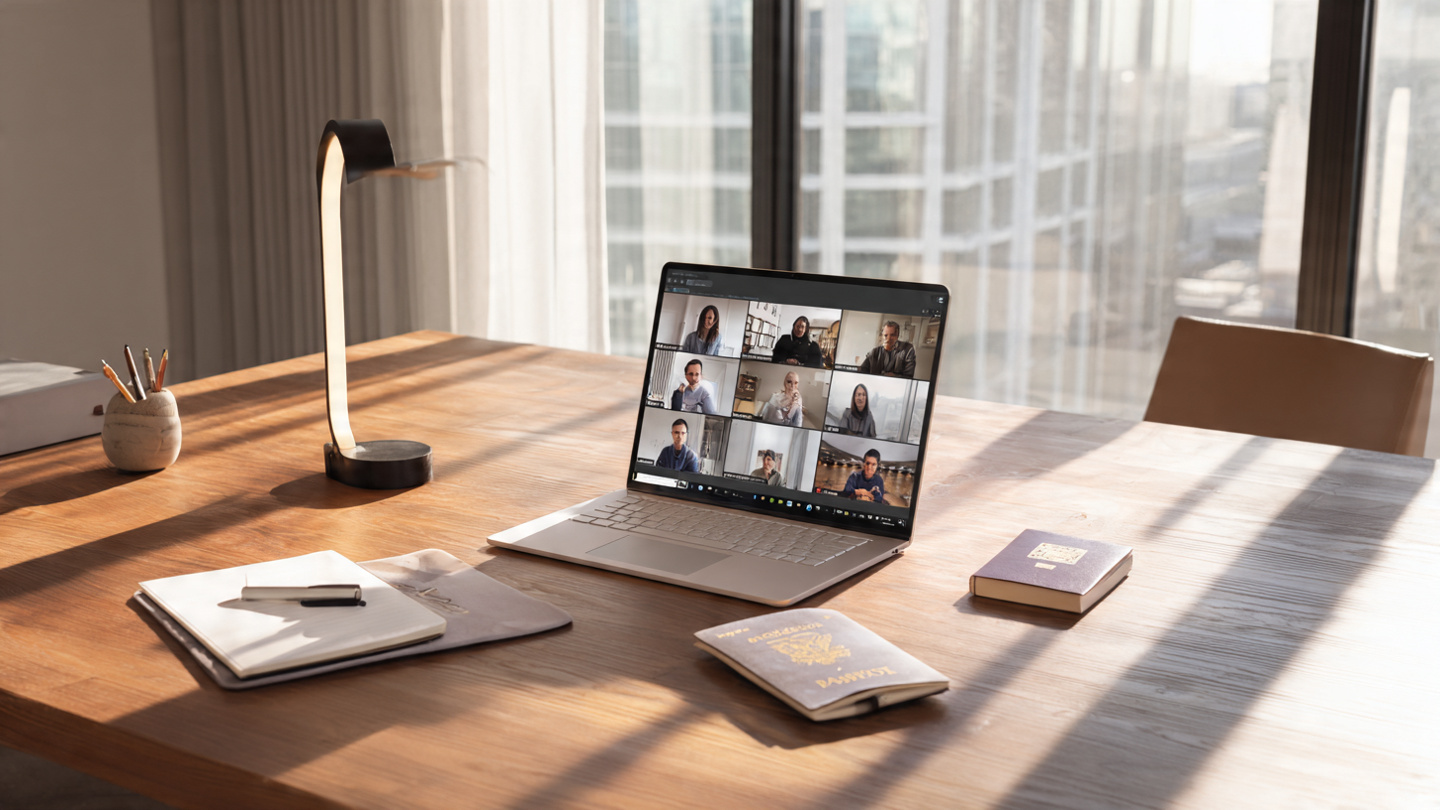
Advancing to the interview stage with a global employer is an incredible milestone. However, presenting your skills across digital borders introduces a unique set of challenges. You are no longer just fighting for a job—you are managing time-zone disparities, potential connection lags, and cross-cultural communication gaps. In today’s remote-first hiring environment, your digital presentation matters just as much as your resume.
If you are trying to learn how to prepare for an international video job interview, success requires looking beyond standard interview prep. You need a rock-solid grasp of remote interviewing logistics to ensure your expertise isn’t overshadowed by a poor setup. A thorough, data-verified plan for organizing, carrying out, and monitoring international virtual interviews this year is provided below.
How to Prepare for an International Video Job Interview (2026 Guide)
1. Master the International Time-Zone Protocol
One of the most frequent causes of overseas candidates missing their interviews is time zone errors. Never assume the platform or invite has automated everything correctly.
Confirm the Anchor Zone: Double-check whether the time provided is in your local time or the employer’s home office zone (e.g., EST, CET, or JST).
Use Verification Tools: Cross-reference your invitation using dedicated tools like WorldTimeBuddy or TimeAndDate.
The 24-Hour Rule: Pay close attention to dates when crossing the International Date Line. An invite sent for Monday morning in California might mean Tuesday morning for you in Tokyo or Sydney.
2. Execute a Flawless Technical Audit
Technical glitches break the momentum of an interview and can make you look unprepared. Run this exact checklist 60 minutes before your scheduled slot:
3. Optimize Your Digital Studio (Lighting & Background)
International recruiters often look at your virtual environment as a reflection of how you would manage remote or distributed work if hired.
The Key Light Rule: Position your primary light source (a window or a ring light) directly behind your camera, shining on your face. Never sit with a bright window behind you, or you will turn into a dark silhouette.
Keep Backgrounds Professional: Use a tidy, neutral room setting. If your space is cluttered, use a clean, professional virtual background or a subtle blur effect. Avoid distracting or overly stylized AI-generated backgrounds.
Dress Fully Corporate: Even though you are at home, dress completely in professional attire from head to toe. This boosts your psychological confidence and protects you if you unexpectedly need to stand up.
4. Navigate Cross-Cultural Communication Friction
When interviewing across borders, communication styles can vary dramatically. What feels like polite modesty in one country might look like a lack of confidence in another.
Speak with Measured Pacing: Even if the interview is conducted in your native language, regional accents and slight digital audio delays can cause confusion. Speak 10% slower than your normal conversational pace.
The Active Listening Pause: When an interviewer finishes speaking, pause for a full second before answering. This compensates for audio lag and ensures you never accidentally cut off the speaker.
Adapt Your Storytelling Framework: Use the STAR method (Situation, Task, Action, Result) to anchor your answers. International panels value data-driven results over vague corporate buzzwords.
5. The Digital Follow-Up Protocol
Because you cannot hand over a physical business card or shake hands, your digital wrap-up needs to be highly structured.
The 24-Hour Thank You Note: Within 24 hours of the interview, send a succinct, businesslike email. We appreciate the panel’s cross-time zone coordination.
Address the Global Team Dynamics: Reiterate how your background fits into their specific global workflow.
Inquire About Next Steps Clearly: Ask about their expected hiring timeline, keeping in mind that international background checks and visa approvals can lengthen the process.
Conclusion
Securing a job across borders requires proving you can operate seamlessly in a virtual environment. By taking total control of your time-zone calculations, running a strict technical audit, and adjusting your communication to match global expectations, you transform the video screen from a barrier into a powerful tool for self-marketing.
What platform is your next international interview scheduled on? Share your experiences or questions in the comments below!


 Saferoamer